Global Launch
Bangkok · 29 Nov – 1 Dec 2026
Centara Grand at CentralWorld, alongside the Global Digital Health Forum (2–4 Dec).
Enquiries: globaledgeailab@lums.edu.pk
until the launch opens (Bangkok time)
A three-day launch
The Lab's three-day launch takes place at the Centara Grand at CentralWorld, Bangkok, co-located with the Global Digital Health Forum (2–4 December).
The launch meetings in Bangkok will help shape the testbed, the device cohort and the certification protocol, giving the partners and communities the Lab is meant to serve a voice in how it is built.
Dates and venue
- 29 November – 1 December 2026
Global Edge AI Lab launch, Centara Grand at CentralWorld, Bangkok
- 2 – 4 December 2026
Global Digital Health Forum, co-located at the same venue
Closing the Silicon-to-Soil gap.
2.2 billion people are still offline, nearly all of them in low- and middle-income countries, and disproportionately women and rural communities. If AI only works in the cloud and on expensive phones, it will widen that gap. The Global Edge AI Lab at LUMS builds and tests AI that runs on the low-cost phones people already own, without depending on a connection, so that those left out of the digital economy are not left out of AI too.






Built for the people AI reaches last
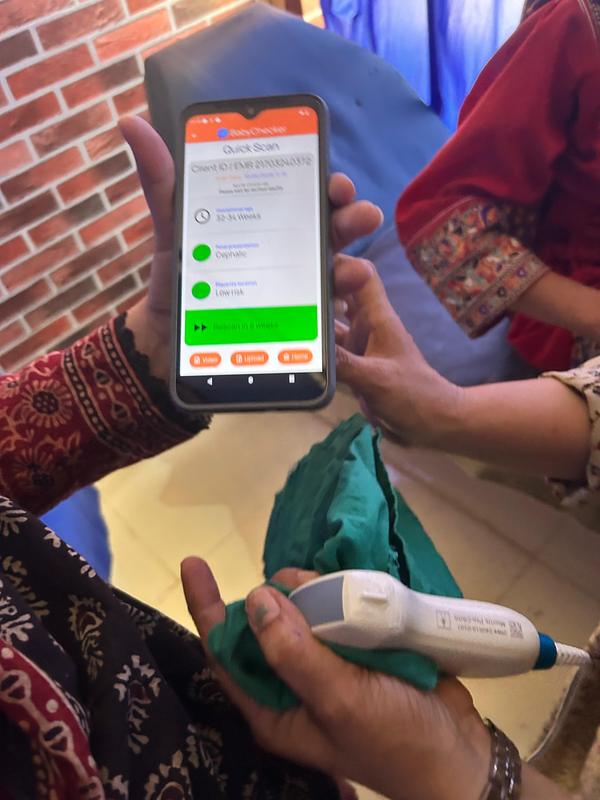
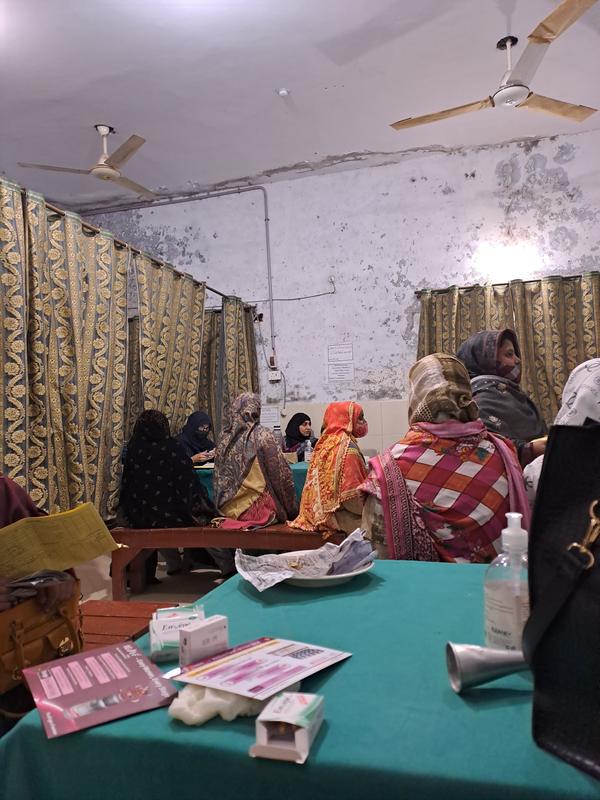
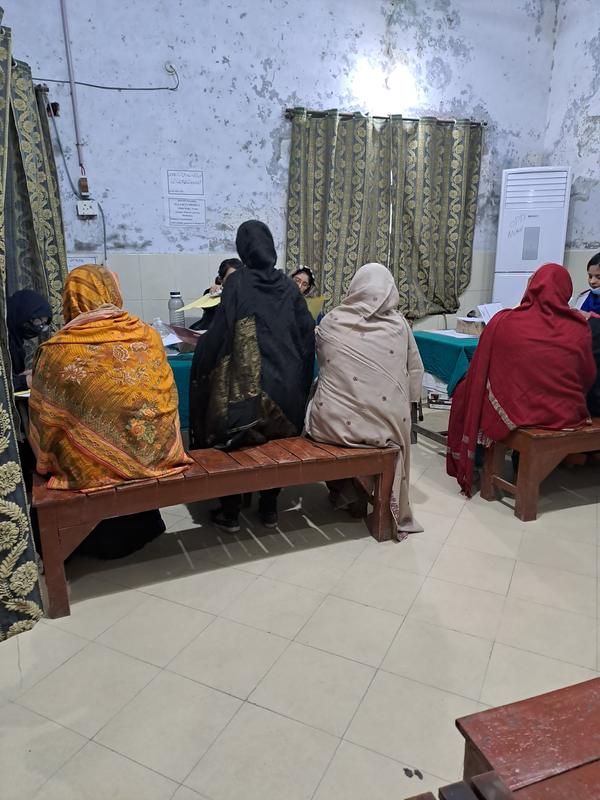
Most AI models are trained and benchmarked on cloud GPUs, then fail on the hardware frontline workers actually carry: phones with limited memory that slow down in heat, on networks that drop out. The Lab measures models on that hardware, under those conditions, and does not certify a model until it works for them.
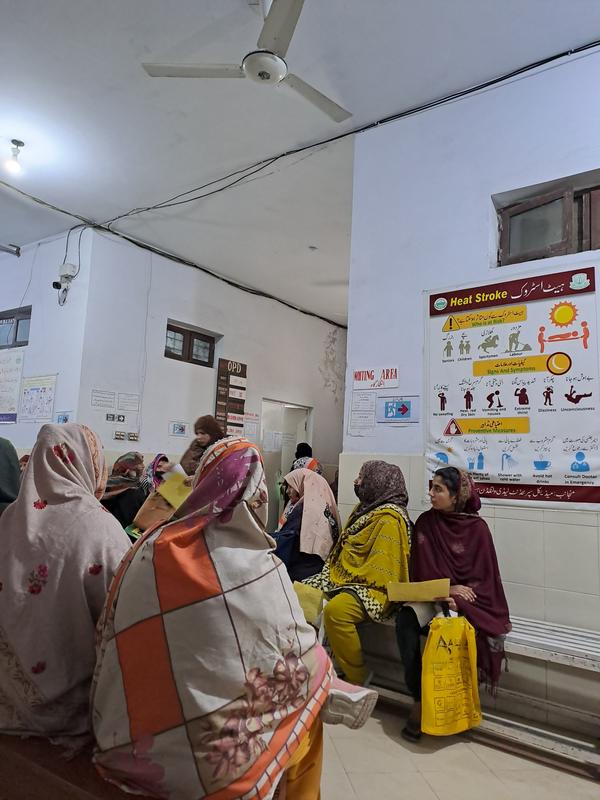
The Lab is designed to decide it in favour of the disconnected.
A network across the Global South
The testbed is anchored at LUMS, with regional nodes at the Africa AI Hubs. Each brings its own devices, languages and deployments.
 LUMS, LahoreTestbed hub
RwandaAfrica AI Hub
NigeriaAfrica AI Hub
SenegalAfrica AI Hub
BangkokLaunch, Nov 2026
Funded by the Gates Foundation